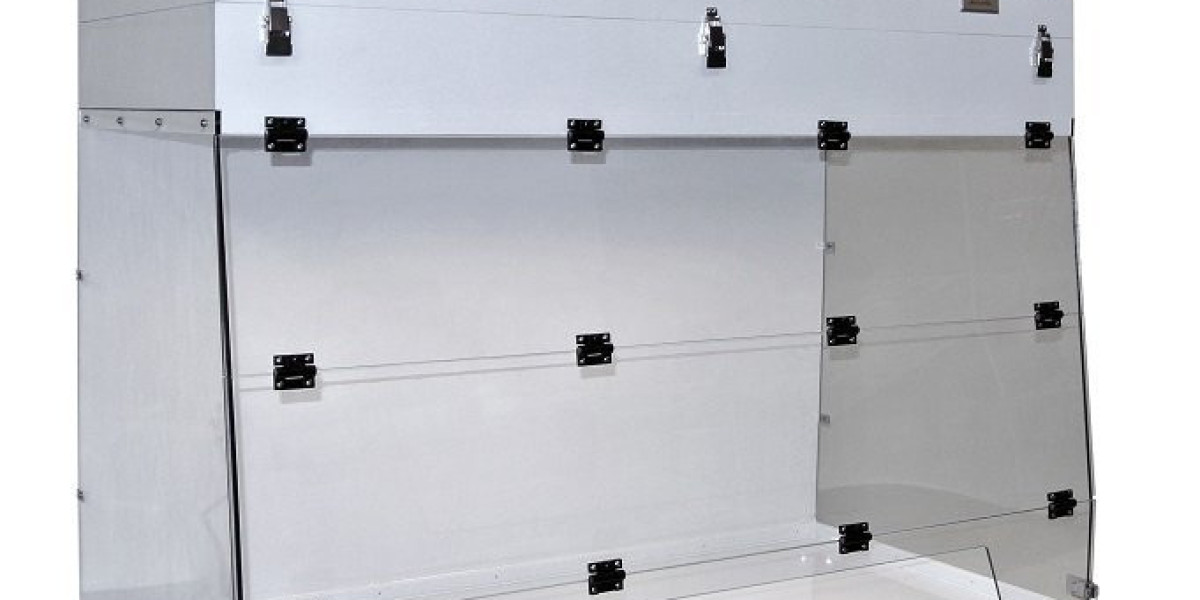
When you work in a laboratory, safety should never be optional. Whether you handle chemicals, solvents, powders, or hazardous fumes, exposure to airborne contaminants can put your health, equipment, and experiments at risk. That is why using a properly designed chemical exhaust hood is one of the most important decisions you can make for your lab environment.
A chemical exhaust hood helps you maintain cleaner air, protect lab personnel, and comply with safety standards. By removing harmful vapors and particles from the workspace, it creates a controlled environment where you can work more efficiently and confidently.
Why Air Quality Matters in Laboratories
Laboratories often involve chemicals that release toxic vapors, fumes, and airborne particles during testing, mixing, heating, or storage. Without proper ventilation, these contaminants can spread throughout the room and expose workers to dangerous substances.
Poor air circulation may lead to:
- Respiratory irritation
- Eye and skin discomfort
- Chemical exposure risks
- Fire hazards from volatile vapors
- Contamination of sensitive experiments
- Reduced productivity and safety compliance
You can significantly reduce these risks by installing a high-quality laboratory exhaust system designed for chemical handling applications.
What Is a Chemical Exhaust Hood?
A chemical exhaust hood is a ventilation enclosure that captures and removes hazardous fumes, vapors, and airborne contaminants from your laboratory workspace. The system pulls contaminated air away from the user and safely filters or exhausts it outside the environment.
Modern hoods are designed to support multiple laboratory applications, including:
- Chemical testing
- Pharmaceutical research
- Electronics manufacturing
- Cleanroom operations
- Industrial quality control
- Educational laboratories
Using a reliable chemical exhaust hood for laboratory safety and contamination control helps you create a safer and more controlled workspace for daily operations.
How Chemical Exhaust Hoods Improve Lab Safety
Removes Harmful Chemical Vapors
One of the main functions of a chemical exhaust hood is to capture toxic fumes before they spread into the laboratory. During experiments, chemicals may evaporate or react, releasing hazardous vapors into the air.
The hood continuously pulls contaminated air away from your breathing zone, helping you avoid direct exposure to dangerous substances.
This protection is especially important when working with:
- Acids
- Solvents
- Corrosive chemicals
- Volatile organic compounds
- Toxic powders
By improving air containment, you reduce the chance of inhalation-related health issues.
Protects Sensitive Lab Processes
Airborne contamination can interfere with sensitive research and manufacturing processes. Dust particles, chemical residues, and vapors may compromise test results or damage delicate components.
A properly functioning exhaust hood helps maintain cleaner working conditions, improving consistency and accuracy in your operations.
This is particularly valuable in industries such as:
- Biotechnology
- Pharmaceutical production
- Semiconductor manufacturing
- Medical device assembly
Enhances Worker Safety and Comfort
When your lab has poor ventilation, employees may experience headaches, fatigue, dizziness, or irritation caused by chemical exposure. Over time, continuous exposure can create serious long-term health concerns.
Chemical exhaust hoods improve indoor air quality and help create a safer, more comfortable working environment. Employees can focus better and work more confidently when they know proper safety systems are in place.
Supports Regulatory Compliance
Laboratories must follow strict workplace safety regulations to protect workers and maintain compliance with industry standards. Proper ventilation systems help meet requirements established by organizations such as OSHA and other laboratory safety guidelines.
Installing a dependable exhaust hood demonstrates your commitment to maintaining a professional and compliant laboratory environment.
Reduces Fire and Explosion Risks
Many chemicals produce flammable vapors that can accumulate in enclosed spaces. Without adequate ventilation, these vapors may create dangerous fire hazards.
A chemical exhaust hood continuously removes volatile fumes, helping reduce the risk of ignition and improving overall lab safety.
This makes exhaust hoods essential for laboratories handling combustible or reactive materials.
Key Features to Look for in a Chemical Exhaust Hood
Choosing the right exhaust hood can improve both safety and operational efficiency. When selecting a system for your laboratory, look for features such as:
- Durable chemical-resistant construction
- Efficient airflow design
- High-performance filtration systems
- Adjustable workspaces
- Energy-efficient operation
- Low-maintenance components
- Proper lighting and visibility
Reliable manufacturers also provide customizable options to match your laboratory’s unique workflow requirements.
Best Practices for Safe Exhaust Hood Use
Even the best equipment requires proper usage to maintain maximum protection. You can improve performance and safety by following these best practices:
Keep the Workspace Organized
Avoid overcrowding the hood with unnecessary equipment or containers. Proper airflow depends on an uncluttered workspace.
Perform Routine Maintenance
Inspect filters, airflow systems, and exhaust components regularly to ensure optimal performance.
Train Laboratory Personnel
Make sure all lab workers understand how to operate the hood safely and correctly.
Position Materials Properly
Place chemicals and equipment well inside the hood to maintain effective containment.
Monitor Airflow Performance
Regular airflow testing helps verify that the hood is functioning efficiently.
Choosing a Trusted Laboratory Equipment Provider
The quality of your exhaust hood directly affects your laboratory’s safety and performance. Working with an experienced manufacturer ensures you receive dependable equipment designed to meet industry standards.
CleaTech LLC laboratory ventilation and cleanroom equipment solutions offers advanced laboratory safety equipment built for demanding applications. Their product line includes high-quality exhaust hoods, cleanroom systems, glove boxes, and contamination control solutions designed to improve laboratory safety and efficiency.
Whether you operate a research lab, pharmaceutical facility, or industrial workspace, choosing reliable equipment helps you maintain a safer environment for both personnel and processes.
Final Thoughts
A chemical exhaust hood plays a critical role in protecting your laboratory environment. From removing hazardous fumes to improving air quality and reducing contamination risks, it helps you maintain safer daily operations while supporting regulatory compliance.
Investing in the right ventilation system is not only about meeting safety requirements. It is also about protecting your team, preserving sensitive experiments, and creating a more productive workspace.
If you want dependable laboratory ventilation solutions tailored to your application, contact us today for expert laboratory exhaust hood assistance and discover equipment designed to support long-term laboratory safety.
FAQs
What is the purpose of a chemical exhaust hood?
A chemical exhaust hood removes hazardous fumes, vapors, and airborne contaminants from laboratory workspaces to improve safety and air quality.
How does a chemical exhaust hood protect lab workers?
It captures toxic vapors before they enter the breathing zone, helping reduce exposure to harmful chemicals and airborne particles.
Where are chemical exhaust hoods commonly used?
They are widely used in research laboratories, pharmaceutical facilities, cleanrooms, industrial testing centers, and educational labs.
How often should laboratory exhaust hoods be inspected?
Regular inspections and airflow testing should be performed according to laboratory safety guidelines and manufacturer recommendations.
Why is proper ventilation important in laboratories?
Proper ventilation helps prevent chemical exposure, contamination, fire hazards, and poor indoor air quality while supporting safer working conditions.
Original Source: https://laboratoryquipment.blogspot.com/2026/05/how-chemical-exhaust-hood-ensures-safe.html