
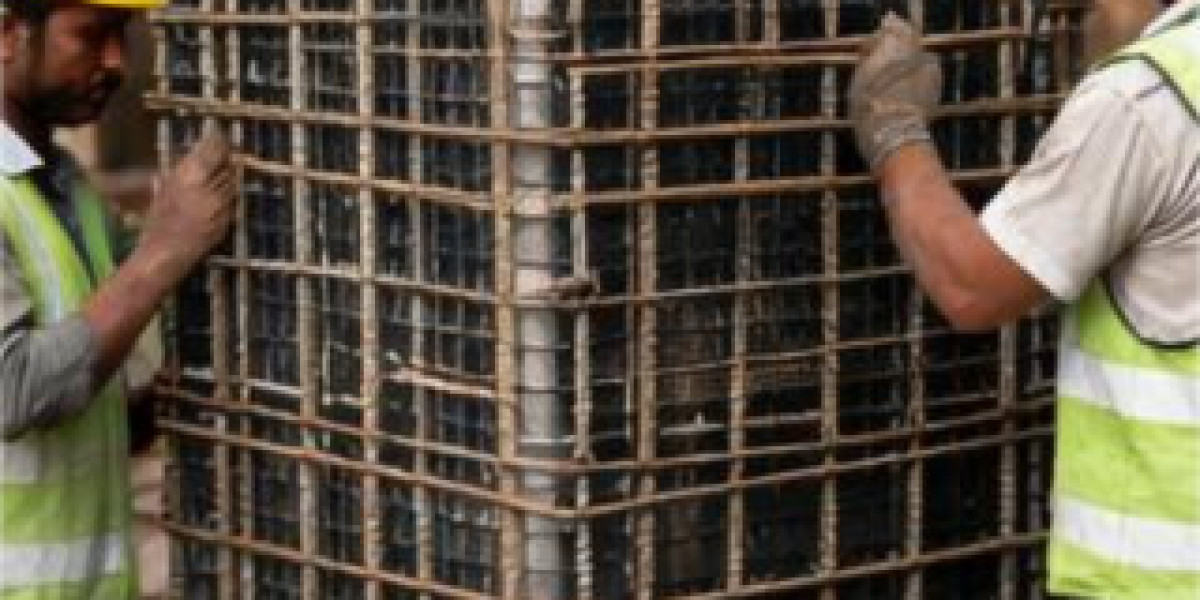
Structural columns play a critical role in supporting buildings, bridges, industrial facilities, and commercial structures. Over time, columns may weaken due to aging, increased load requirements, corrosion, poor construction quality, seismic activity, or environmental exposure. When structural strength reduces, the safety and durability of the building become a major concern. This is where column jacketing becomes one of the most reliable strengthening techniques used in modern structural rehabilitation projects.
What is Column Jacketing?
Column jacketing is a structural strengthening method used to improve the load-carrying capacity, durability, and seismic performance of existing columns. The process involves adding an extra protective and structural layer around the original column. This additional layer enhances strength, prevents further deterioration, and increases the lifespan of the structure without complete demolition.
The demand for structural strengthening services, building retrofitting, and column repair solutions has increased significantly in residential, industrial, and commercial sectors. Property owners often choose jacketing methods because they are cost-effective compared to rebuilding damaged structural members.
Why Column Strengthening is Important
Columns are the backbone of any structure. If a column fails, it can directly affect the stability of the entire building. Many old structures experience issues like concrete spalling, exposed reinforcement bars, corrosion, cracks, and reduced load capacity. In earthquake-prone regions, weak columns can become extremely dangerous during seismic movements. Modern infrastructure projects often require additional floors, machinery installation, or layout modifications. These changes increase structural loads beyond the original design capacity. Concrete column strengthening and steel column jacketing help buildings safely withstand these new demands while maintaining structural integrity for years.
Common Causes of Column Damage
Several factors can weaken structural columns over time. One major reason is corrosion of steel reinforcement caused by water penetration and moisture exposure. Poor construction practices and low-quality concrete can also reduce column durability. In industrial environments, chemical attacks and temperature fluctuations gradually damage concrete surfaces and reinforcement bars.
Natural disasters like earthquakes further impact structural stability by creating cracks and internal stress. Increased loading due to renovations or additional floors may also exceed the original structural design. These conditions make column retrofitting and structural rehabilitation necessary for maintaining building safety.
Types of Column Jacketing Methods
There are different types of jacketing methods used depending on structural conditions, load requirements, project budget, and environmental exposure. The three most widely used techniques include concrete jacketing, steel jacketing, and fiber wrapping systems. Among these, concrete and steel jacketing remain highly preferred for heavy structural strengthening projects.
Each method offers unique advantages in terms of load enhancement, durability, construction speed, and seismic resistance. Structural engineers evaluate the existing column condition before selecting the most suitable strengthening solution.
Concrete Jacketing of Columns
Concrete jacketing of columns is one of the most commonly used strengthening techniques in construction rehabilitation projects. This method involves increasing the size of the existing column by adding reinforcement steel and a new layer of concrete around it. The added concrete section significantly improves compressive strength and stiffness.
This technique is highly effective for structures suffering from inadequate reinforcement, seismic deficiencies, or reduced load capacity. It is widely used in residential buildings, parking structures, industrial plants, bridges, hospitals, and educational institutions requiring structural upgrades.
Process of Concrete Jacketing
The concrete jacketing process starts with surface preparation. Damaged concrete is removed, and the existing surface is roughened to ensure proper bonding between old and new concrete. Additional reinforcement bars are installed around the original column according to structural design requirements.
After reinforcement placement, formwork is fixed around the column and high-strength concrete or micro-concrete is poured into the jacket space. Once cured properly, the enlarged column gains improved strength, durability, and load-bearing capacity. This method also enhances earthquake resistance in older structures.
Benefits of Concrete Jacketing
One major advantage of concrete column jacketing is its ability to significantly increase axial load capacity and structural stiffness. The method provides excellent fire resistance and long-term durability. It also improves confinement of the original concrete core, reducing the chances of brittle failure during earthquakes.
Concrete jacketing is considered economical for large-scale rehabilitation projects because the materials are easily available and widely understood by construction professionals. The technique also extends the service life of aging structures without requiring complete replacement of existing columns.
Applications of Concrete Jacketing
Concrete jacketing is commonly used in old buildings requiring seismic retrofitting and structural strengthening. Industrial plants often use this method to support additional machinery loads and operational expansions. Parking structures and commercial buildings also benefit from concrete jacketing when adding extra floors or modifying layouts.
Bridge piers, warehouse structures, schools, and hospitals frequently undergo concrete jacketing to meet updated safety standards. The method is particularly suitable where increased stiffness and long-term durability are essential for structural performance.
Steel Jacketing of Columns
Steel jacketing of columns is another highly effective strengthening technique used to improve column strength and ductility. In this method, steel plates or steel sections are attached around the existing column to create additional confinement and structural support.
Steel jacketing is widely preferred for projects requiring faster construction and immediate strengthening benefits. The technique is commonly used in industrial structures, bridges, high-rise buildings, and earthquake rehabilitation projects where rapid execution is critical.
Process of Steel Jacketing
The steel jacketing process begins with inspection and cleaning of the existing column surface. Steel plates or prefabricated steel sections are fabricated according to structural design specifications. These steel components are then positioned around the column and connected using bolts, welding, or anchor systems.
The gap between the steel jacket and existing column may be filled with grout or epoxy materials to improve load transfer and bonding performance. Once installed, the steel jacket enhances confinement, shear strength, and overall structural stability.
Advantages of Steel Jacketing
One of the biggest advantages of steel column strengthening is its high strength-to-weight ratio. Unlike concrete jacketing, steel jacketing adds minimal additional dead load to the structure. This makes it ideal for buildings where weight limitations are important.
Steel jacketing also provides excellent ductility, which improves earthquake performance and energy absorption during seismic activity. The installation process is faster compared to traditional concrete methods, reducing downtime in commercial and industrial operations.
Where Steel Jacketing is Used
Steel jacketing is commonly applied in industrial facilities, bridges, factories, warehouses, and seismic retrofitting projects. Structures exposed to dynamic loading, vibration, or impact forces often benefit from steel reinforcement systems due to their superior flexibility and toughness.
High-rise buildings undergoing structural modifications also use steel jacketing to strengthen columns without increasing section size excessively. This technique is especially useful in locations where space constraints prevent larger concrete sections.
Comparison Between Concrete and Steel Jacketing
Both concrete jacketing and steel jacketing offer reliable structural strengthening solutions, but their suitability depends on project requirements. Concrete jacketing provides higher stiffness, improved fire resistance, and economical performance for large rehabilitation projects. However, it increases column dimensions and adds additional dead load.
Steel jacketing offers faster installation, superior ductility, and minimal size increase. It performs exceptionally well in seismic strengthening applications but may require corrosion protection in aggressive environments. Structural engineers select the appropriate method after detailed structural assessment and load analysis.
Importance of Structural Assessment Before Jacketing
Before starting any strengthening project, a detailed structural investigation is necessary. Engineers assess concrete quality, reinforcement condition, crack patterns, corrosion levels, and load requirements. Non-destructive testing methods are often used to evaluate the internal condition of structural members without damaging the building.
A proper assessment ensures that the selected jacketing technique addresses the root cause of deterioration rather than only covering visible damage. Accurate structural analysis also helps determine the required reinforcement size, material specifications, and execution methodology.
Seismic Retrofitting Using Column Jacketing
Earthquake-prone regions require structures to withstand lateral forces and dynamic loading. Many older buildings were constructed before modern seismic codes were introduced, making them vulnerable during earthquakes. Seismic retrofitting of columns using jacketing techniques significantly improves structural resilience.
Concrete and steel jacketing enhance confinement, ductility, and shear strength, reducing the risk of sudden structural collapse. Strengthened columns absorb seismic energy more effectively and maintain building stability during ground movements.
Cost-Effectiveness of Column Jacketing
Demolishing and rebuilding damaged structures can be extremely expensive and time-consuming. Column jacketing offers a practical alternative that minimizes operational disruption while improving structural performance. Rehabilitation projects generally require less material, labor, and construction time compared to complete reconstruction.
Many property owners choose building strengthening services because they extend the life of existing assets while avoiding major demolition costs. Properly executed jacketing systems provide long-term performance and reduced maintenance expenses over time.
Challenges in Column Jacketing Projects
Although jacketing techniques are highly effective, proper execution is essential for achieving desired results. Poor surface preparation, incorrect reinforcement detailing, or inadequate bonding can reduce strengthening efficiency. Skilled structural engineers and experienced contractors are necessary for successful implementation.
Construction access limitations, active building occupancy, and environmental exposure may also create project challenges. Careful planning and quality control help ensure structural safety and long-term durability after rehabilitation work is completed.
Choosing the Right Structural Strengthening Partner
Selecting the right structural rehabilitation company plays a major role in project success. Experienced professionals understand the complexities of load transfer, material compatibility, and seismic strengthening requirements. They also ensure compliance with structural safety standards and engineering guidelines. For reliable column repair and retrofitting solutions, many property owners prefer experienced companies like Gubbi Civil Engineers Limited for professional assessment and strengthening execution. Expert engineering support helps ensure durable, safe, and cost-effective rehabilitation outcomes for different types of structures.
Future of Structural Rehabilitation and Jacketing
As infrastructure continues aging globally, the demand for structural retrofitting services will continue increasing. Modern strengthening technologies are becoming more advanced, efficient, and sustainable. Engineers now combine traditional jacketing methods with advanced materials to improve performance and reduce construction time. Smart rehabilitation techniques help preserve existing infrastructure while meeting modern safety standards. Column jacketing remains one of the most trusted and practical solutions for extending structural lifespan and improving building safety across various industries.
Column jacketing, concrete jacketing, and steel jacketing of columns are essential techniques in modern structural strengthening and rehabilitation projects. These methods help restore damaged structures, increase load capacity, improve seismic resistance, and extend service life without complete demolition. Whether used in residential buildings, industrial facilities, bridges, or commercial structures, jacketing solutions provide reliable and cost-effective strengthening performance. Proper structural assessment, professional engineering design, and skilled execution ensure long-lasting results that enhance both safety and durability for years to come.






