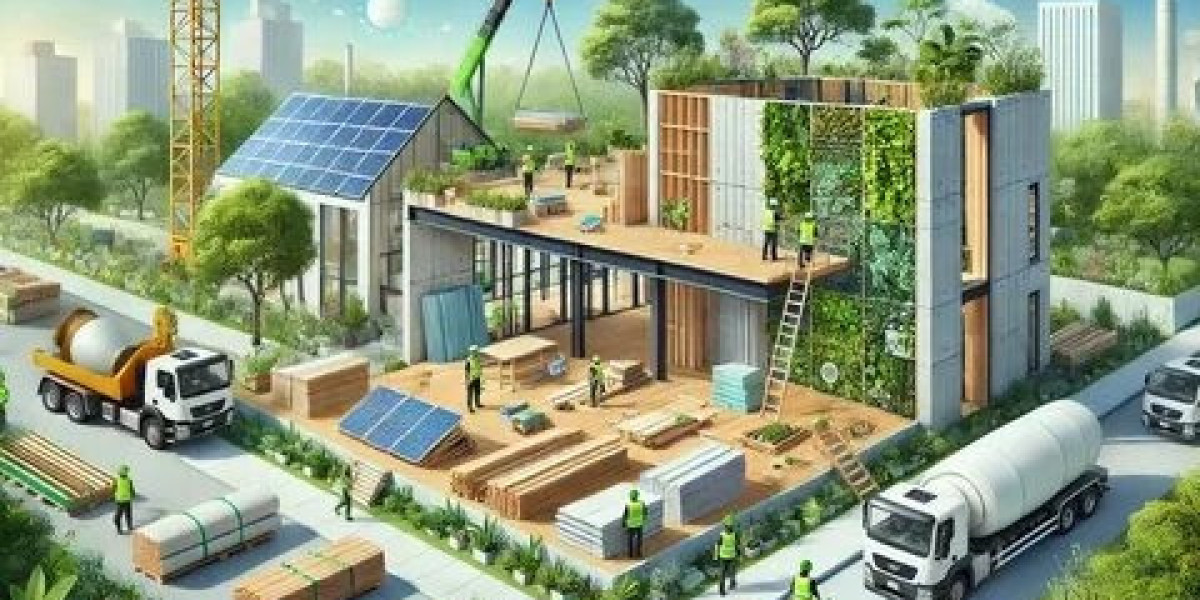
The sustainable construction industry is transforming the way buildings are designed, built, and maintained. With growing concerns about climate change, resource depletion, and environmental impact, the construction sector is shifting toward more eco-friendly and energy-efficient practices. This approach focuses on reducing waste, conserving resources, and creating long-lasting structures that benefit both people and the planet.
In this article, we will explore what sustainable construction means, its importance, key practices, benefits, and future trends shaping the industry.
What is the Sustainable Construction Industry?
The sustainable construction industry refers to building practices that aim to minimize environmental impact while maximizing efficiency and durability. It involves using eco-friendly materials, reducing energy consumption, managing waste responsibly, and designing buildings that are healthy and efficient.
Unlike traditional construction methods, sustainable construction focuses on the entire lifecycle of a building—from design and construction to operation and eventual demolition or reuse.
Importance of Sustainable Construction
The importance of the sustainable construction industry continues to grow as global environmental challenges increase.
Environmental Protection
It helps reduce carbon emissions, conserve natural resources, and minimize pollution caused by construction activities.
Energy Efficiency
Sustainable buildings are designed to use less energy for heating, cooling, and lighting, reducing overall energy demand.
Resource Conservation
It encourages the use of renewable and recycled materials, helping preserve raw materials for future generations.
Healthier Living Spaces
Sustainable construction improves indoor air quality and creates safer, more comfortable environments for occupants.
Key Principles of Sustainable Construction
Sustainable construction is guided by several core principles that ensure environmental and economic balance.
Efficient Use of Resources
Materials, water, and energy are used wisely to avoid unnecessary waste.
Environmental Responsibility
Construction activities are planned to reduce harm to ecosystems and surrounding environments.
Lifecycle Thinking
Buildings are designed with their entire lifecycle in mind, including maintenance, renovation, and demolition.
Waste Reduction
Construction waste is minimized through recycling, reuse, and careful planning.
Sustainable Construction Materials
One of the most important aspects of the sustainable construction industry is the use of eco-friendly materials.
Recycled Materials
Materials like recycled steel, wood, and concrete help reduce environmental impact.
Bamboo
Bamboo is a fast-growing renewable resource used for flooring, scaffolding, and structural elements.
Sustainable Wood
Wood sourced from responsibly managed forests ensures minimal environmental damage.
Green Concrete
This type of concrete uses recycled aggregates and reduces carbon emissions during production.
Low-VOC Materials
Paints, adhesives, and coatings with low volatile organic compounds improve indoor air quality.
Green Building Techniques
Modern construction techniques play a major role in sustainability.
Energy-Efficient Design
Buildings are designed to maximize natural light and ventilation, reducing the need for artificial lighting and air conditioning.
Solar Energy Integration
Solar panels are used to generate clean and renewable energy.
Rainwater Harvesting
Systems are installed to collect and reuse rainwater for irrigation and other non-drinking purposes.
Smart Building Systems
Automated systems help monitor and control energy usage efficiently.
Benefits of Sustainable Construction Industry
The shift toward sustainable practices offers numerous advantages.
Reduced Environmental Impact
Lower greenhouse gas emissions and reduced waste contribute to a healthier environment.
Cost Savings Over Time
Energy-efficient buildings reduce utility costs in the long run.
Increased Property Value
Sustainable buildings are often more attractive to buyers and investors.
Better Indoor Environment
Improved air quality and natural lighting enhance occupant comfort and productivity.
Compliance with Regulations
Many regions are adopting stricter environmental standards, making sustainable construction essential for compliance.
Challenges in Sustainable Construction
Despite its benefits, the industry faces certain challenges.
Higher Initial Costs
Some sustainable materials and technologies may require higher upfront investment.
Lack of Awareness
Not all builders and clients fully understand the benefits of sustainable practices.
Limited Availability of Materials
Eco-friendly materials may not always be easily accessible in certain regions.
Technical Expertise
Implementing sustainable designs requires specialized knowledge and skills.
Future of the Sustainable Construction Industry
The future of the sustainable construction industry looks promising as technology and awareness continue to grow.
Smart Cities Development
Urban planning is increasingly focused on sustainability, efficiency, and reduced environmental impact.
Advanced Green Materials
Innovations in material science are leading to stronger and more eco-friendly construction materials.
Net-Zero Buildings
Future buildings are expected to produce as much energy as they consume.
Digital Construction Tools
Technologies like Building Information Modeling (BIM) help optimize design and reduce waste.
Conclusion
The sustainable construction industry is playing a crucial role in shaping a greener and more efficient future. By adopting eco-friendly materials, energy-efficient designs, and responsible building practices, the industry is helping to protect the environment while meeting modern infrastructure needs. As awareness and technology continue to evolve, sustainable construction will become the standard approach for building safer, smarter, and more resilient spaces.
FAQs
What is meant by sustainable construction?
Sustainable construction refers to building practices that reduce environmental impact and promote energy efficiency, resource conservation, and long-term durability.
Why is sustainable construction important?
It helps protect the environment, reduce carbon emissions, and create healthier living and working spaces.
What materials are used in sustainable construction?
Common materials include recycled steel, bamboo, sustainable wood, green concrete, and low-VOC products.
Is sustainable construction more expensive?
While initial costs may be higher, it offers long-term savings through reduced energy and maintenance costs.
What is the future of the sustainable construction industry?
The future includes smart cities, net-zero buildings, advanced eco-materials, and increased use of digital construction technologies.