
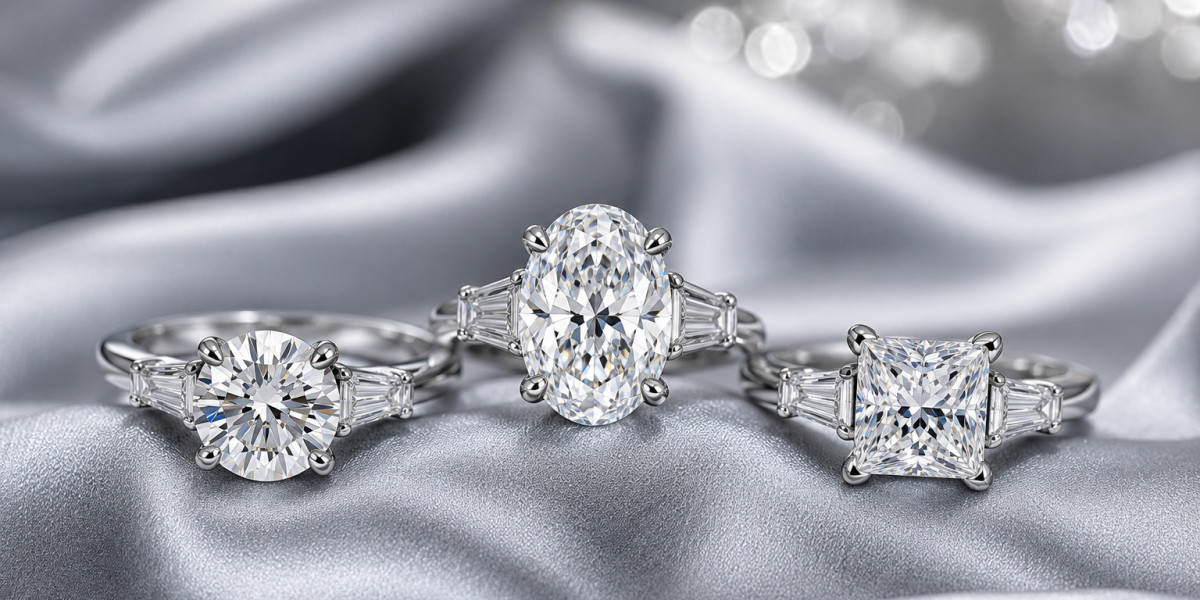
Some metals look good on day one. Platinum looks good on day one and thirty years later. Platinum engagement rings have built a reputation that goes beyond aesthetics. They're heavier, denser, and more naturally resistant to wear than any other metal used in fine jewelry. For a ring that's meant to be worn every single day for the rest of her life, that matters more than most people initially realize.
Why Choose Platinum Engagement Rings for Durability and Long-Term Value?
Platinum is stubborn in the best way possible. Gold actually loses tiny amounts of metal through everyday wear, it's gradual, but it adds up. Platinum does something different. Instead of wearing away, the metal shifts and displaces. The ring loses virtually nothing.
Platinum diamond engagement rings benefit from this in a very specific way. Prongs holding a diamond in a platinum setting stay stronger for longer, which means the stone stays secure far better than it would in a softer metal. For anyone buying a ring with a significant center stone, that's not a small thing.
There's also the color to consider. Platinum's naturally white tone doesn't fade or change over time. White gold needs to be rhodium plated periodically to maintain its color. Platinum just stays platinum, no maintenance required to keep it looking the way it did the day you bought it.
Platinum vs Gold Engagement Rings: Which Is Better for Everyday Wear?
Well, for everyday wear, platinum wins. It's denser, which makes it more resistant to the kind of gradual wear that quietly degrades a ring over years. It's hypoallergenic, which matters more than people expect- a lot of white gold alloys contain nickel, which can cause reactions on sensitive skin. Platinum contains none of that.
Platinum proposal rings do come at a higher price point than gold. The metal is rarer, heavier, and takes considerably more skill and time to work with. So yes, you pay more upfront. But factor in that you'll never need to replace it, maintenance is minimal, and the ring holds up better over the years, and that initial price difference starts to look a lot less significant.
Gold has its strengths too- it's lighter, available in more color options, and easier to resize. But if the priority is a ring built to genuinely last a lifetime with minimal fuss, platinum makes a very strong case for itself.
What to Look for in a Platinum Engagement Ring: Purity, Design, and Comfort
- Purity first. Most platinum bridal rings are either 950 or 900 platinum, meaning 95% or 90% pure platinum respectively. 950 is the standard for fine jewelry and what you should be looking for. Anything significantly lower isn't really a platinum ring in any meaningful sense.
- Design next. Platinum works beautifully across styles, from clean, minimal solitaires to more intricate vintage-inspired settings. Because it's a harder metal to work with, well-crafted details in platinum tend to hold their shape and sharpness far longer than the same details in gold.
- Comfort last, but don't overlook it. Platinum engagement rings tend to be heavier than their gold equivalents, which some people love and some people need time to adjust to. If possible, try a few on before committing. A ring she wears every day should feel right, not just look right.
Also Read: Finding the Perfect Engagement Ring: A Guide to Women's Diamond Rings
Conclusion
Platinum engagement rings aren't for everyone, and they don't need to be. But for anyone who wants a ring that holds its beauty without asking much in return, platinum is in a category of its own. Strong, rare, and built to last, exactly what an engagement ring should be.






