
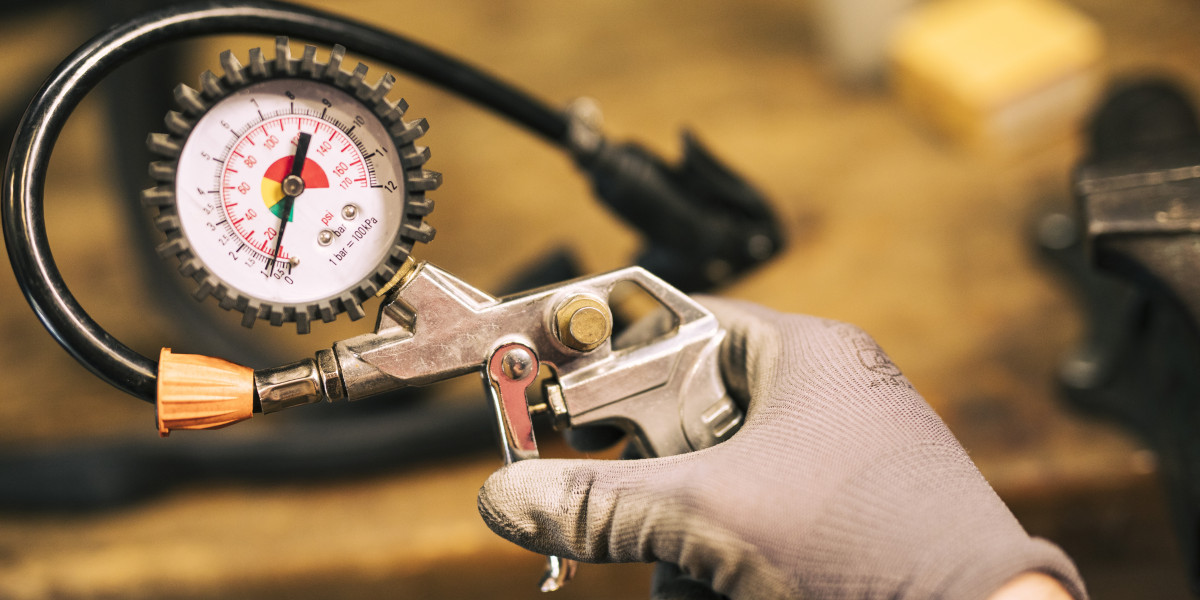
Pressure testing is a vital process used to evaluate the strength, integrity, and leak resistance of systems that operate under pressure. It is widely applied in industries such as construction, manufacturing, oil and gas, and plumbing to ensure that equipment performs safely and efficiently under real-world conditions.
This comprehensive article will help you understand pressure testing, its methods, benefits, and best practices.
What is Pressure Testing?
Pressure testing is a procedure in which a system or component is subjected to controlled pressure to verify its structural integrity and identify any leaks. The test ensures that the system can withstand its intended operating pressure without failure.
It is commonly performed on:
- Pipelines and piping systems
- Boilers and pressure vessels
- Gas cylinders
- Storage tanks
- HVAC systems
The primary objective is to ensure safety, reliability, and compliance with industry standards.
Importance of Pressure Testing
Pressure testing plays a critical role in maintaining operational safety and efficiency.
Ensures System Safety
Testing helps prevent accidents such as leaks, bursts, or explosions by identifying weaknesses early.
Detects Leaks
Even minor leaks can lead to significant losses or hazards. Pressure testing helps locate and fix these issues.
Verifies Structural Integrity
It confirms that materials, joints, and welds are strong enough to handle operational stress.
Regulatory Compliance
Many industries require pressure testing to meet safety and quality standards.
Reduces Maintenance Costs
Early detection of issues helps avoid costly repairs and downtime.
Types of Pressure Testing
Different methods of pressure testing are used depending on the system and application.
Hydrostatic Pressure Testing
This method uses water or another liquid to apply pressure to the system. It is considered the safest method because liquids are less compressible than gases.
Advantages:
- High level of safety
- Effective leak detection
- Suitable for pipelines and tanks
Pneumatic Pressure Testing
Pneumatic testing uses air or gas to pressurize the system. It is used when water cannot be applied.
Advantages:
- Quick setup and execution
- Ideal for systems sensitive to moisture
Note: This method requires strict safety precautions due to higher risk.
Leak Testing
Leak testing focuses specifically on identifying leaks rather than testing overall strength.
Methods include:
- Soap solution testing
- Vacuum testing
- Electronic leak detection
Pressure Decay Testing
In this method, the system is pressurized and monitored over time. A drop in pressure indicates a leak.
Pressure Testing Procedure
A systematic approach ensures accurate and safe results.
1. Preparation
- Inspect the system visually
- Ensure all connections are secure
- Remove sensitive components if necessary
2. Pressurization
- Gradually increase pressure to the required level
- Use appropriate testing medium (liquid or gas)
3. Stabilization
Allow the system to stabilize before measurements are taken.
4. Monitoring
- Observe pressure levels
- Check for leaks or pressure drops
5. Depressurization
Slowly release pressure after testing to avoid damage.
6. Documentation
Record all results for future reference and compliance.
Best Practices for Pressure Testing
Following best practices improves accuracy and safety:
Use Calibrated Equipment
Ensure all gauges and instruments are accurate and reliable.
Follow Safety Guidelines
- Wear protective gear
- Maintain a safe distance
- Avoid over-pressurization
Select the Right Method
Choose hydrostatic or pneumatic testing based on the system requirements.
Train Personnel
Only qualified professionals should perform pressure testing.
Conduct Regular Testing
Routine checks help maintain system performance and safety.
Common Challenges in Pressure Testing
Pressure testing may involve certain challenges:
- Temperature changes affecting pressure readings
- Equipment calibration errors
- Safety risks in pneumatic testing
- Difficulty detecting very small leaks
Proper planning and expertise can help overcome these issues.
Applications of Pressure Testing
Pressure testing is widely used across multiple industries:
Oil and Gas
Ensures pipelines and storage systems are leak-free and safe.
Construction
Used in plumbing and structural systems to ensure durability.
Manufacturing
Maintains quality and performance of machinery.
Automotive
Tests fuel systems, brake lines, and other components.
Aerospace
Ensures high safety standards in aircraft systems.
Future Trends in Pressure Testing
The field of pressure testing continues to evolve with technological advancements:
Digital Monitoring
Real-time monitoring systems improve accuracy and efficiency.
Automation
Automated testing reduces human error and increases productivity.
Smart Sensors
Advanced sensors provide precise data and predictive maintenance insights.
Conclusion
Pressure testing is an essential process for ensuring the safety, reliability, and efficiency of systems that operate under pressure. By identifying leaks and structural weaknesses early, it helps prevent accidents, reduce costs, and maintain compliance with industry standards.
Implementing proper testing methods and best practices ensures long-term performance and operational success.
FAQs About Pressure Testing
1. What is pressure testing used for?
Pressure testing is used to check the strength and leak resistance of systems that operate under pressure.
2. Which pressure testing method is safest?
Hydrostatic testing is considered the safest because it uses liquid, which is less compressible than gas.
3. How often should pressure testing be done?
The frequency depends on industry standards and system usage, but regular testing is recommended.
4. What causes pressure test failure?
Failures can occur due to leaks, weak materials, faulty connections, or excessive pressure.
5. Can pressure testing detect all leaks?
Most leaks can be detected, but very small leaks may require specialized testing methods.