
In an era where our lives are inextricably linked to the digital world, the importance of data protection has never been higher. From personal banking to national defense, everything relies on secure networks. This digital transformation has created a massive demand for professionals who can defend against hackers, malware, and data breaches.
But for many, the field seems shrouded in mystery. Do you need to be a math genius? Is it all about "black screen" coding? The answer is no. If you are looking to start a cyber security career for beginners, this guide will break down the barriers and show you exactly how to break into this high-paying, high-impact industry.
Why Choose a Career in Cyber Security?
Before we dive into the "how," let’s look at the "why." Why is cyber security one of the most sought-after career paths today?
- Zero Percent Unemployment: The global cyber security workforce gap is in the millions. Companies are literally searching for talent every single day.
- High Salary Potential: Even entry-level roles in cyber security often command higher salaries than other IT positions.
- Future-Proof Career: As long as there is the internet, there will be a need for security. AI and automation are changing the field, but human intuition remains irreplaceable.
- Diverse Roles: Whether you like "hunting" (Blue Teaming) or "attacking" (Red Teaming), there is a niche for everyone.
Is Cyber Security Right for You? (The Mindset Check)
You don’t need a computer science degree to start, but you do need a specific mindset. Ask yourself:
- Are you curious? Do you like knowing how things work under the hood?
- Are you a problem solver? Cyber security is essentially a never-ending puzzle.
- Are you ready to learn? Technology evolves weekly; a "set it and forget it" mindset won't work here.
Step-by-Step Guide: How to Start Your Journey
1. Master the Fundamentals of Networking
You cannot protect what you don’t understand. Most cyber attacks happen over networks. You need to understand how computers talk to each other.
- Keywords to learn: TCP/IP, DNS, DHCP, Subnetting, and OSI Model.
- Actionable Tip: Start with the basics of Network+ content.
2. Get Comfortable with Operating Systems (Linux is King)
While Windows is used by the masses, Linux is the backbone of the internet and the preferred tool for security professionals.
- Actionable Tip: Install a virtual machine with Ubuntu or Kali Linux and start practicing command-line basics.
3. Learn the Basics of Scripting
You don’t need to be a software developer, but you should be able to automate repetitive tasks.
- Preferred Language: Python is the go-to language for beginners in cyber security due to its readability and massive library support for security tools.
4. Understand Security Principles
Learn the "CIA Triad" (Confidentiality, Integrity, and Availability). Understand the difference between a vulnerability (a weakness) and a threat (someone looking to exploit that weakness).
Best Entry-Level Cyber Security Jobs
What does a cyber security career for beginners actually look like on a daily basis? Here are the most common entry points:
- Security Operations Center (SOC) Analyst: You are the "first responder." You monitor networks for suspicious activity and escalate incidents.
- Vulnerability Researcher: You look for bugs in software before the "bad guys" do.
- Junior Penetration Tester: You are a "white hat" hacker hired to legally break into systems to find holes.
- Cyber Security Technician: You focus on installing and configuring security software and hardware.
Certifications: Are They Necessary?
In cyber security, certifications act as a "proof of knowledge" for recruiters. For beginners, these three are the industry standards:
- CompTIA Security+: The gold standard for entry-level roles. It covers the broad strokes of security.
- Certified Ethical Hacker (CEH): Ideal if you are interested in the offensive side of security.
- EJPT (eLearnSecurity Junior Penetration Tester): A great practical exam for those who want hands-on experience.
Building Your "Home Lab"
The best way to stand out in an interview is to show, not just tell. Since you might not have professional experience yet, a home lab is your best friend.
- Use tools like VirtualBox or VMware.
- Download "vulnerable" machines from VulnHub or TryHackMe.
- Try to "exploit" these machines in a controlled environment. Document your process. This documentation becomes your portfolio.
The Importance of Networking and Community
The cyber security community is incredibly active on platforms like LinkedIn and X (formerly Twitter).
- Join Discord Servers: Many security experts share free resources and job leads.
- Attend Local Meetups: Look for OWASP chapters or local "DefCon" groups.
- Gradus can be an excellent resource for those seeking structured mentorship and real-world training to bridge the gap between theory and employment.
Common Myths About Cyber Security
- Myth 1: You need to be a coding wizard.
- Reality: While coding helps, many roles (like GRC - Governance, Risk, and Compliance) require very little coding.
- Myth 2: It’s only for "young" people.
- Reality: Career changers are highly valued because they bring industry experience (like legal, healthcare, or finance) that is vital for specialized security roles.
- Myth 3: You need a PhD.
- Reality: Experience and certifications often carry more weight than a specific degree in many modern tech companies.
How to Write a Resume That Gets Noticed
When applying for a cyber security career for beginners, your resume should highlight:
- Hands-on Projects: Mention your home lab and TryHackMe rankings.
- Soft Skills: Communication is key. You must be able to explain technical risks to non-technical managers.
- Continuous Learning: List the courses you are currently taking. It shows you are proactive.
The Roadmap Summary for 2024-2025
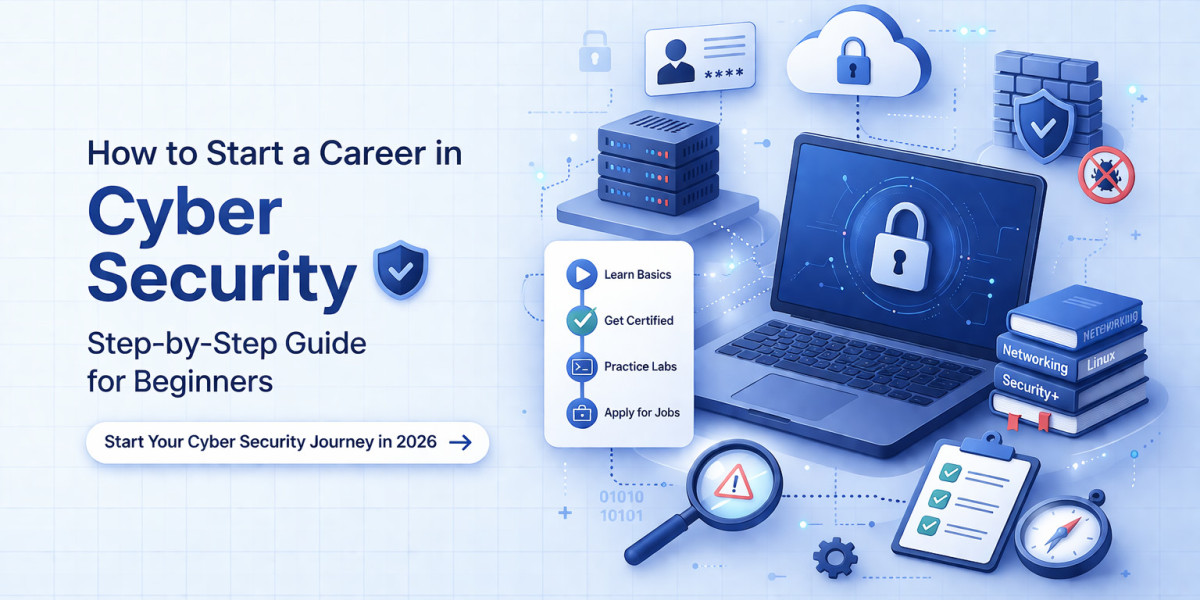
If you are feeling overwhelmed, follow this 6-month roadmap:
- Month 1: Learn Networking (CompTIA Network+ level).
- Month 2: Learn Linux basics and command line.
- Month 3: Focus on Security+ fundamentals.
- Month 4: Start practicing on TryHackMe or HackTheBox.
- Month 5: Build a portfolio and earn your first certification.
- Month 6: Update your LinkedIn and start applying for SOC Analyst or Junior Technician roles.
Conclusion: Your Future Starts Now
Starting a cyber security career for beginners is a marathon, not a sprint. The field is challenging, but the rewards—both financial and intellectual—are immense. You aren't just "working in IT"; you are protecting the digital infrastructure of the world.
Stop waiting for the "perfect" time to start. Download a Linux ISO, watch a networking tutorial, and take that first step today. The digital world is waiting for its next defender. Are you ready?
Frequently Asked Questions (FAQs)
Q: Can I get a cyber security job with no experience?
A: Yes, by focusing on "hands-on" certifications and building a home lab portfolio that proves your skills to employers.
Q: Which programming language should I learn first?
A: Python is highly recommended for its versatility in security automation.
Q: Is cyber security hard to learn?
A: It has a steep learning curve initially, but if you enjoy problem-solving and logic, it becomes very rewarding.
Q: What is the average entry-level salary?
A: Depending on the location and role, entry-level salaries typically range from $60,000 to $85,000 (USD) annually.






