From paper registers to advanced biometric systems, organizations now have multiple options to choose from. For businesses in fast-paced markets like Dubai, selecting the right attendance solution is not just about tracking time—it’s about improving efficiency, accuracy, and compliance. When comparing a biometric machine with traditional attendance systems, the differences become clear once you look at how each one performs in real-world business environments.
Traditional attendance systems have been widely used for decades and are still found in many small businesses. These systems include manual registers where employees sign in and out, punch card machines that stamp time, or card-based and PIN-based devices that require employee input. While they are simple and inexpensive to set up, they depend heavily on human involvement. This creates room for errors such as incorrect entries, missed logs, or intentional manipulation. In many cases, employees may even mark attendance for others, a practice commonly known as buddy punching. Over time, these small inaccuracies can lead to major payroll discrepancies and operational inefficiencies.
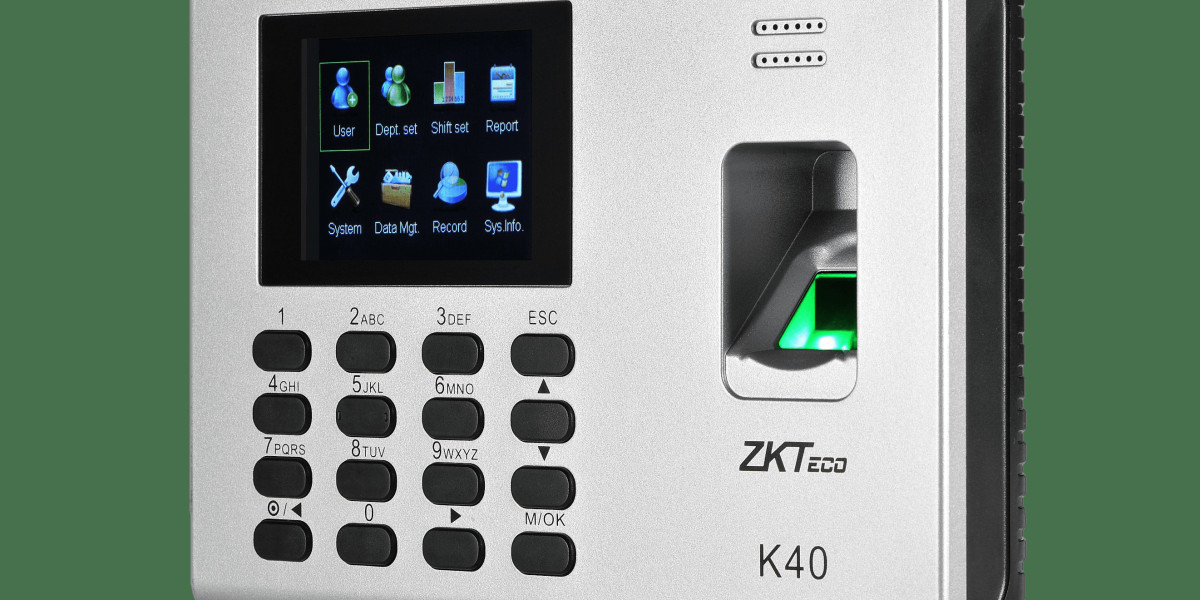
Biometric attendance machines, on the other hand, are designed to eliminate these issues by using unique biological traits such as fingerprints, facial recognition, or iris scans. Since every individual has distinct biometric characteristics, the system ensures that attendance is recorded accurately and cannot be duplicated or manipulated. This level of precision is especially important for businesses that rely on accurate time tracking for payroll and compliance. In a competitive environment like the UAE, where companies are constantly optimizing operations, biometric systems provide a reliable and modern approach to workforce management.
One of the biggest advantages of biometric systems over traditional methods is accuracy. Manual systems are prone to human error, whether it is an employee forgetting to sign in or an HR team miscalculating working hours. Biometric machines record attendance instantly and store the data digitally, reducing the chances of mistakes. This ensures that employees are paid correctly and that companies avoid disputes related to attendance. In industries such as construction, retail, and logistics—where large workforces are common—this accuracy becomes even more valuable.
Security is another major factor that sets biometric systems apart. Traditional attendance systems offer very limited protection against misuse. Cards can be shared, PINs can be disclosed, and registers can be altered. Biometric machines eliminate these risks by linking attendance to a person’s physical identity. This not only prevents fraud but also increases accountability among employees. For businesses implementing a time attendance system in Dubai, where transparency and compliance are essential, biometric solutions offer a significant advantage.
Efficiency is also greatly improved with biometric attendance machines. Traditional systems require manual effort at multiple stages, including recording attendance, verifying entries, calculating working hours, and processing payroll. This consumes valuable time and resources, especially for HR teams. Biometric systems automate these processes by capturing data in real time and integrating it with payroll and HR software. This allows businesses to streamline operations and focus on more strategic tasks instead of administrative work.
Cost is often a deciding factor when choosing between biometric and traditional systems. At first glance, traditional methods appear more affordable because they require minimal investment. However, they come with hidden costs such as time theft, administrative workload, and errors in payroll processing. Biometric systems may have a higher initial cost, but they provide long-term savings by improving efficiency and reducing losses caused by inaccuracies or fraud. For growing businesses, this makes biometric systems a more cost-effective solution in the long run.
Scalability is another area where biometric systems outperform traditional methods. As businesses expand, managing attendance manually becomes increasingly difficult. Tracking multiple locations, shifts, and employees using traditional systems can quickly become overwhelming. Biometric attendance machines are designed to handle growth, allowing businesses to manage large workforces across different locations with ease. This is particularly beneficial for companies operating across the UAE, where expansion is common and efficient systems are essential.
In terms of usability, both systems are relatively straightforward, but biometric machines offer a more seamless experience. Employees no longer need to carry cards or remember PINs; they simply use their fingerprint or face to mark attendance. This not only saves time but also reduces the chances of errors. Modern biometric systems are designed to be user-friendly, making them suitable for organizations of all sizes.
Data management and reporting are also significantly better with biometric systems. Traditional methods provide limited insights and require manual effort to generate reports. Biometric systems, however, offer real-time data, detailed reports, and analytics that help businesses make informed decisions. Managers can easily track attendance patterns, monitor absenteeism, and analyze workforce productivity. This level of visibility is crucial for improving overall business performance.
Despite their advantages, traditional attendance systems still have a place in certain scenarios. Small businesses with a limited number of employees and minimal operational complexity may find these systems sufficient. They are easy to implement and do not require advanced technology. However, as soon as the business begins to grow or requires more accurate tracking, the limitations of traditional systems become apparent.
Biometric attendance machines, while highly effective, do come with some challenges. The initial setup cost can be higher, and businesses need to ensure proper maintenance and data security. There may also be concerns about privacy, which can be addressed by using secure systems and following proper data protection practices. In most cases, the benefits of biometric systems far outweigh these challenges, especially for businesses looking to modernize their operations.
In a dynamic business environment like United Arab Emirates, companies are increasingly adopting advanced technologies to stay competitive. A time attendance system Dubai businesses can rely on must be accurate, secure, and scalable. Biometric systems meet all these requirements, making them the preferred choice for organizations across various industries. From small offices to large enterprises, the shift towards biometric attendance is driven by the need for efficiency and reliability.
Ultimately, the choice between biometric attendance machines and traditional systems depends on the specific needs of a business. However, for most modern organizations, biometric systems offer clear advantages in terms of accuracy, security, and efficiency. As businesses continue to grow and evolve, investing in the right technology becomes essential for long-term success. A biometric attendance system is not just a tool for tracking time—it is a strategic investment that helps businesses operate more effectively and stay ahead in a competitive market.